




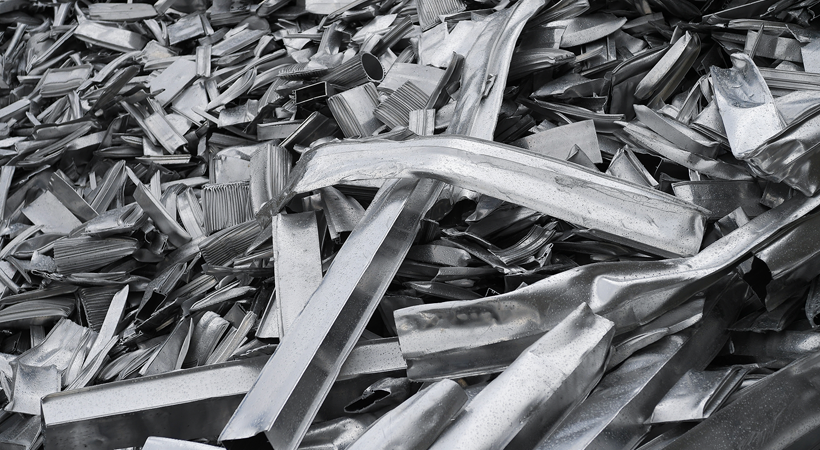
Trimet outlines the upcoming investments at its German sites, which includes a new aluminium recycling facility in Hamm.
Trimet has expanded the capacity of its recycling facility in Gelsenkirchen.
New melting units will increase production capacity by up to 80,000 tonnes of recycled aluminium per year.
Meanwhile, solar panels on the hall rooftops supply the site with renewable electricity.
Also, starting in August 2026, the melting furnaces will operate using hydrogen-rich process gas, which generates lower CO₂ emissions compared to natural gas.
Dr Andreas Lützerath, Member of the Board of Trimet Aluminium, said: “Industry depends on sustainably produced materials to meet its climate targets.
“We are systematically aligning our strategy with growing demand for recycled aluminium and investing in capable structures that ensure a reliable, high-quality supply over the long term – even in a challenging market environment.”
Also coming online in 2026 is a new recycling facility in Hamm, which is scheduled to begin operations at the end of the year.
The plant will handle the sorting, processing, and logistics of aluminium scrap.
Laser-based analysis methods will enable the rapid determination of the metallurgical fingerprint of scrap materials, allowing precise separation for alloy production.
The facility aims to strengthen supply security, reduce dependence on primary raw materials, and improve the carbon footprint of the materials used.
In addition, Trimet has laid the groundwork for further growth at its recycling site in Essen.
Expanded storage areas enable alloy-specific separation and the storage of aluminium scrap, which will increase capacity by approximately 16,000 tonnes.
The infrastructure upgrades will improve material quality, enhance process efficiency, and form the basis for a growing share of recycled content in production.
Alongside the site expansions, Trimet is developing its portfolio of recycling alloys.
With trimal-04, Trimet offers a high-pressure die casting alloy with a high recycled content, which provides an alternative to the primary alloy trimal-05.
The company is currently preparing a recycled variant of trimal-38, an alloy used in battery housings, structural components, and other crash-relevant automotive applications that can be processed without heat treatment.
Through targeted adjustments to the alloy composition, Trimet is able to increase the proportion of secondary aluminium without compromising mechanical properties.
