




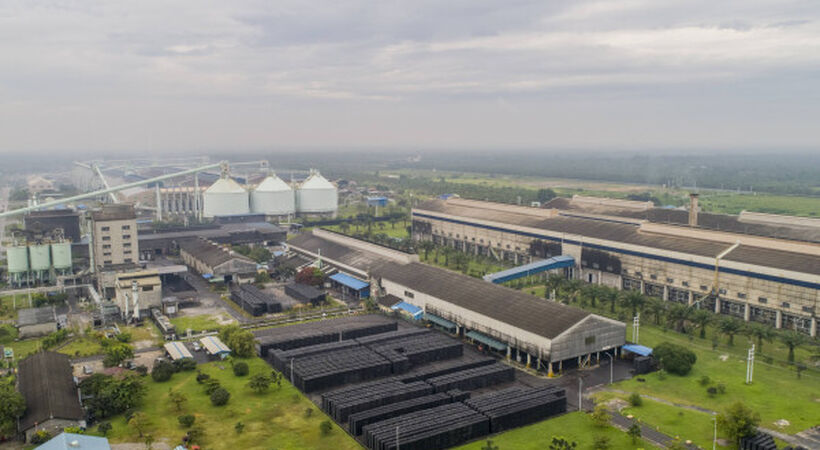
PT Inalum has called for the Indonesian Government to impose a moratorium on new alumina and aluminium plants.
The statement comes after fears of oversupply and pressure on the country's bauxite reserves.
Resource-rich Indonesia is keen to promote the development of domestic metal industries and has banned exports of raw minerals to boost investment in domestic plants.
Rapid investment in nickel smelters has made it the biggest exporter of nickel products, and analysts have said investors are now looking to the aluminium sector.
Inalum is concerned that the aluminium sector will experience similar issues to those faced by the nickel sector after its quick growth, such as oversupply that impacted global prices and environmental problems, Chief Executive Melati Sarnita told members of parliament.
Inalum, citing market data, estimated that once all the alumina projects in the pipeline start operations, Indonesia will have 29.8 million tons of alumina production capacity from around 9 million tons currently.
Primary aluminium production capacity is also estimated to increase to 14.9 million tons from 1.13 million tons once all the projects are completed, Ms Sarnita said, and that this would boost demand for bauxite to up to 94 million tons a year, up from 36 million tons required by the existing refineries.
“These capacity expansions will put pressure on Indonesia's bauxite reserves because the demand intensity could potentially shorten the lifetime of the proven bauxite reserves to 10 years,” Ms Sarnita added.
“As a national aluminium player, when we build a smelter we hope the bauxite reserves availability will last through the lifetime of our smelter, which is 30 years.
“Global demand for aluminium is currently uncertain and an aggressive expansion from Indonesia could put pressure on global prices,” she concluded.

