




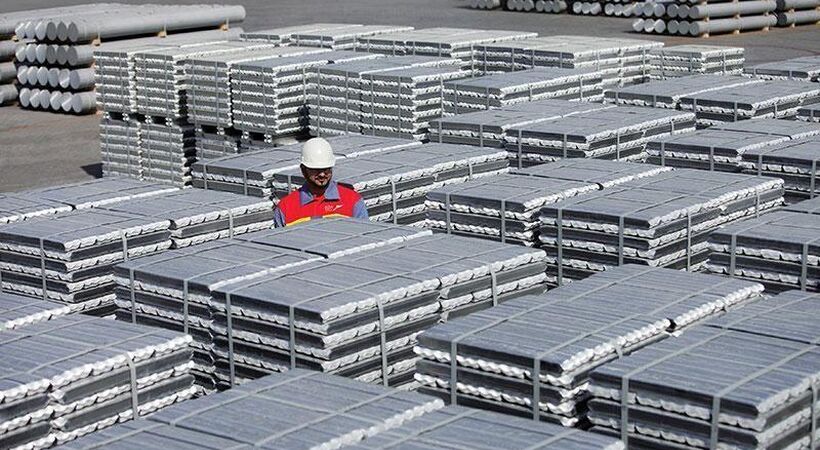
Attacks on production facilities and dwindling stocks of raw materials have had a serious impact on Gulf producers, said the International Aluminium Association.
Output by Gulf smelters has been impacted after Iran attacks on Aluminium Bahrain (Alba) and Emirates Global Aluminium (EGA) damaged production facilities, while Qatalum of Qatar has also reduced output.
At the same time, due to the Strait of Horumz blockade, raw materials have been unable to be supplied into the region's facilities.
International Aluminium Institute Secretary General, Jonathan Grant, said, aluminium production in the Gulf countries fell by 6% in March to an average of 15,963 tonnes per day, down from 16,997 tonnes per day in February.
He said: "We do not yet have final March figures for all our members' smelters at this point and we can expect the actual output to be lower still when the full dataset becomes available in May.
"The war is having an obvious impact on the market, with the publicly quoted LME price now at a four-year high."
Even after an orderly shutdown, restarting a potline can take weeks or months, so supply chains may need many months to normalise.
For facilities that sustained damage, recovery will take longer still.
The Gulf’s aluminium sector produced around 6.5 million tonnes in 2025 or 9% of global capacity.
However, it represents around 15% of imports into the EU and 20% into the US.
"Reopening the Strait is essential to allow producers to restock raw materials and export finished products that have been largely stranded at smelters.
"This is now having a knock-on impact on supply-chains extending as far as Australia which supplies alumina to some of the Gulf smelters," Mr Grant said.
