





European Aluminium has called for an indirect ban on Russian aluminium to remove unfair competitive pressure on EU producers.
Aluminium exports remain a major source of revenue for Russia, generating almost USD 10 billion last year.
While the EU has sanctioned direct imports of Russian aluminium, Russian primary aluminium can still be sold to third countries, processed into semifinished or finished products, and then exported to the EU as products of that third country.
European Aluminium believes this weakens the effectiveness of EU sanctions, sustains Russian export revenues, and creates unfair pressure on EU producers that have moved away from Russian metal.
Therefore, the organisation believes the next EU sanctions package should include a targeted and enforceable indirect ban on Russian aluminium, ensuring that products made in third countries from Russian primary aluminium cannot enter the EU market.
To make the ban effective, European Aluminium believes it should be supported by:
- Mandatory reporting of the first and second largest country of smelt and the last country of cast so that customs authorities can identify the aluminium’s upstream origin.
- Targeted customs checks on high-risk third-country imports.
- Monitoring of import flows from countries importing large volumes of Russian aluminium.
- Specific attention to billets, extrusions, and other semi-finished aluminium products.
The organisation highlighted that in 2025, Russia supplied around 20% of Türkiye’s primary aluminium imports, making it Türkiye’s second-largest supplier.
These imports increased by 5% compared with 2024 and generated more than EUR 800 million in direct revenues for Russia.
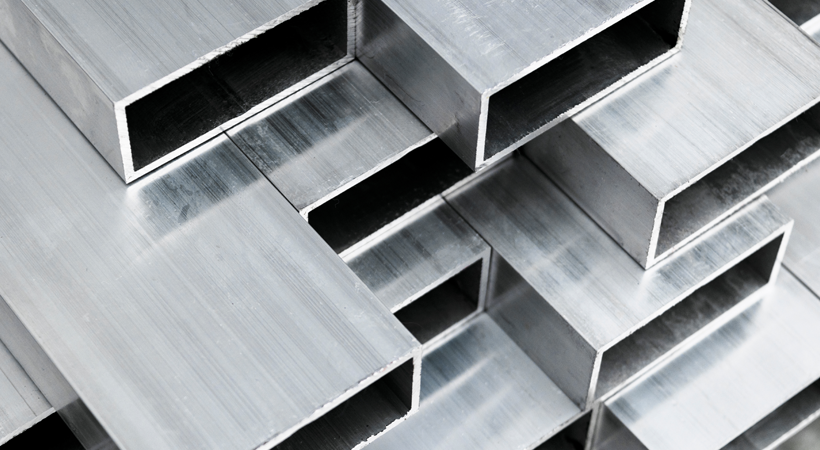
It continued that Türkiye is the EU’s largest external supplier of aluminium extrusions (i.e. profiles, bars, rods, and tubes used in construction, automotive, and industrial applications), which accounts for approximately 55% of EU imports.
Therefore, Russian aluminium can be imported into Türkiye, processed into extrusions, and then exported to the EU as Turkish-origin goods.
The Russian producer has already been paid, while the EU market may receive products made with discounted Russian metal.
The price evidence supports this concern.
In 2025, Russian billets (the aluminium input used to make extrusions) were sold into Türkiye at around 11% below comparable EU import prices.
Turkish extrusions entering the EU are also priced below the EU import average in key categories, including 23% lower for bars and rods, 7% lower for hollow profiles, and 4% lower for solid profiles.
European Aluminium believes this creates unfair competitive pressure on EU producers that have moved away from Russian metal, while allowing Russian aluminium to continue benefiting indirectly from European demand.
In addition, it said it risks weakening Europe’s aluminium industrial base at a time when strategic autonomy in critical raw materials is essential for defence, clean energy technologies, and industrial resilience.
Furthermore, if instability in the Gulf continues to disrupt supply or push up global aluminium prices, third countries like Türkiye (which relied on Gulf countries for around 42% of its aluminium ingot imports in 2025) may turn more to Russian aluminium.
