




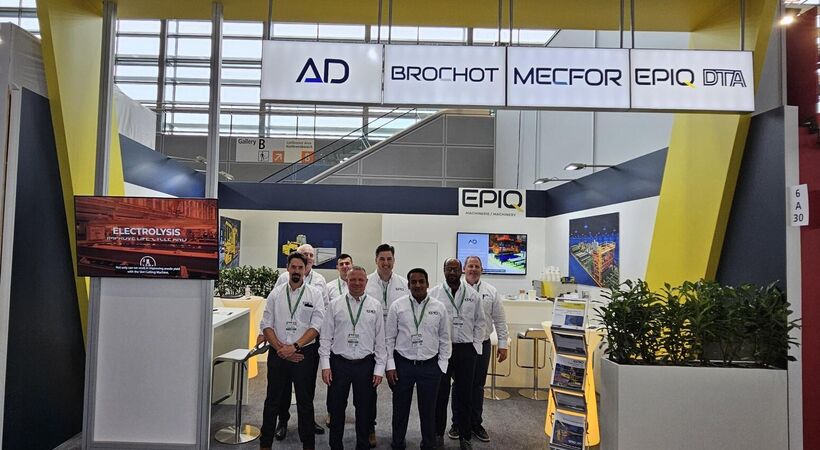
Benoit Poulin, Eng.* discusses EPIQ’s aims and intelligent equipment as the industry begins to transition to Industry 4.0.
Industrial manufacturing is entering a new phase; one where “smart” is no longer the differentiator. Sensors, connectivity, dashboards, and basic automation are quickly becoming baseline expectations. The competitive edge in 2026 will be defined by intelligent equipment: systems that are not only connected, but also engineered to operate with greater autonomy, integrate with real production constraints, and improve performance through disciplined data use and structured innovation.
At EPIQ Machinery, this shift is being formalised through a refreshed execution strategy that combines heavy-duty equipment know-how with a deliberate innovation methodology. In recent months, the company has strengthened its innovative capabilities by creating and deploying its Innovation Group. Sitting under the revenue team, this Group is a dedicated, proactive force to create new or evolved solutions and adapt quickly to industry needs.
Innovation has always been part of EPIQ’s DNA; the difference now is that innovation is being operationalised as a repeatable engine for execution.
Execute more, better and smarter
Going into 2026, EPIQ is focused on execution: delivering more projects with higher reliability and more intelligence embedded in the solution stack. The objective is to help customers move from isolated automation to coherent, scalable systems where equipment, controls, data, and operations management work together.
For the next months and years, product innovation at EPIQ will happen at multiple levels: from new and/or improved solutions for the smelter operations on the floor to the next generation of MES/MOM to optimise the management of plant operations. The goal is to lead the industry in its transition to Industry 4.0 where real-time visibility and decision support can be translated into stable throughput and safer operations.
Why intelligent equipment is the next step
“Smart” has become a catch-all term. In plant reality, intelligent equipment must earn its name through measurable outcomes: higher uptime, safer interactions, reduced variability, and simpler operation under real constraints. That requires systems thinking:
- Connectivity that supports integration with plant ecosystems (including MES/MOM and other operational layers).
- Autonomy that reduces operator burden and compensates for labour scarcity while improving safety and consistency.
A product lifecycle approach where upgrades, automation, and digital tools are part of a roadmap rather than isolated projects. In parallel, the EPIQWay approach emphasises field proximity, co-engineering, and full-solution delivery backed by modernisation and aftermarket strategies that extend value across the lifecycle.
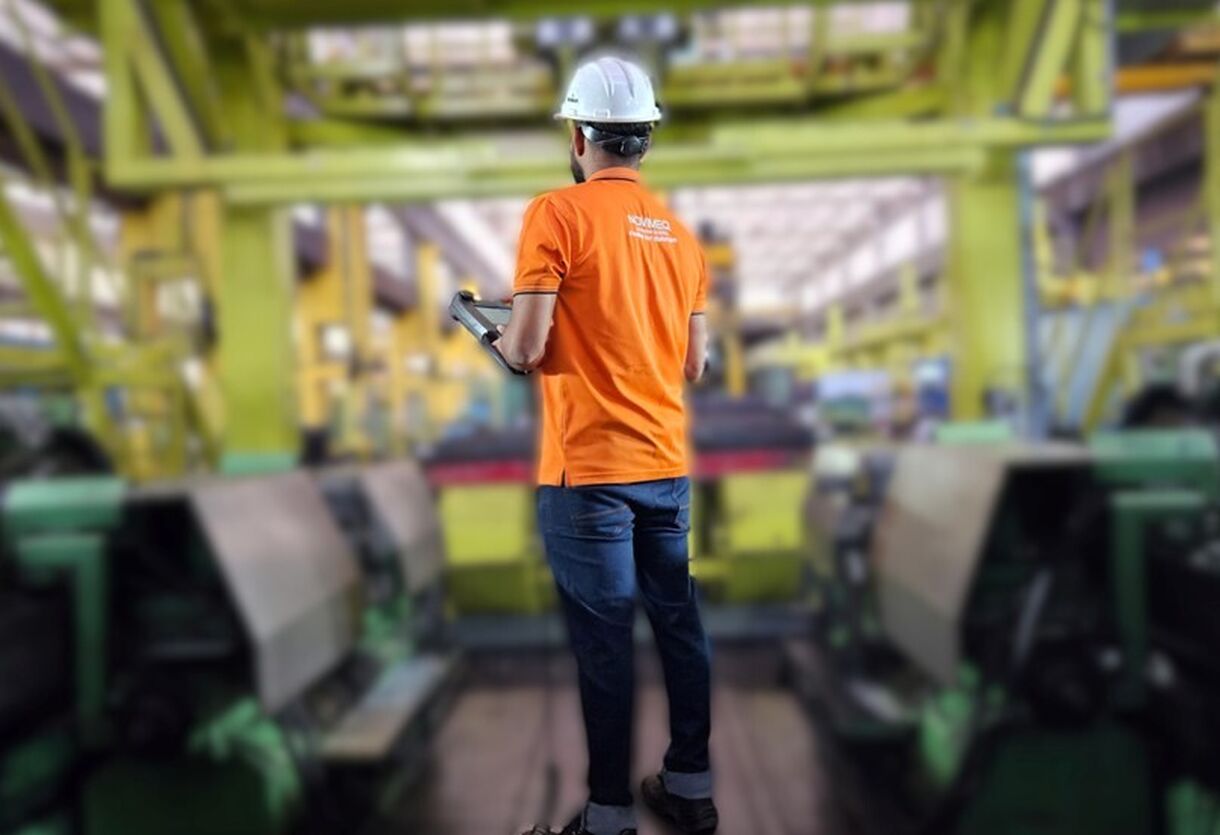
Image 1: NOVIMEQ’s OT Network Assessment audit; a roadmap to automation.
Integration is challenging
EPIQ’s mantra is: “passion for challenges”. One of the biggest challenges for the wider industry in 2026 will be integrating robotised and digitalised solutions into ongoing operations without destabilising production or overrunning budgets. In many cases, the limiting factor is not the robot or the software; it is the operational change process. Existing processes often need to be transformed and adapted to unlock the full benefits of digitalisation under controlled cost and risk.
Flexibility and structured change management are required to integrate, for example, AGVs/AMRs on the plant floor: safe pathways, handoffs, exception handling, maintenance workflows, and operating discipline must all evolve.
In parallel, EPIQ has expanded its capability to deliver projects of all sorts, including automation with NOVIMEQ and digitalisation with the addition of the EPIQ digital division in late 2024, building readiness for what the industry will demand next.
Navigating industrial risk control
Innovation takes time and continuous effort to generate results. Maintaining an Innovation Group inside an ever-growing B2B organization that is already busy with customer projects is itself a challenge.
Considering that at EPIQ, the Innovation team aims to turn concepts into reality within a structured but agile framework ensuring that ideas are captured, objectively evaluated, and developed efficiently to deliver value for the industry while managing risks, expectations, needs, and costs throughout the process.
There are three pillars guiding execution:
1. Proactive force: being attentive to the industry to create new solutions and adapt quickly to customer needs.
2. Structured framework: ensuring ideas are captured, evaluated, and developed efficiently to give a competitive edge turning concepts into reality.
3. Clear vision: pushing boundaries and thinking differently to create added-value solutions aligned to business strategies and goals.
For aluminium producers, there are real constraints to be taken into consideration: limited commissioning windows, harsh environments, strict safety requirements, and the need to maintain consistent output.
The Innovation Group mandate’s emphasises mitigating uncertainties and focusing on promising initiatives that will impact on customer operations and ROI; deploying best practices in innovation management across EPIQ business units; multiplying and strengthening collaborations with customers to support safer and more efficient environments; and developing new solutions or upgrading existing ones while integrating new technologies judiciously.
EPIQ’s upcoming initiatives over the next months can be framed under two major technical tracks: the AGVs/AMRs and next-gen MES/MOM.
Growth of the AGVs/AMRs product portfolio
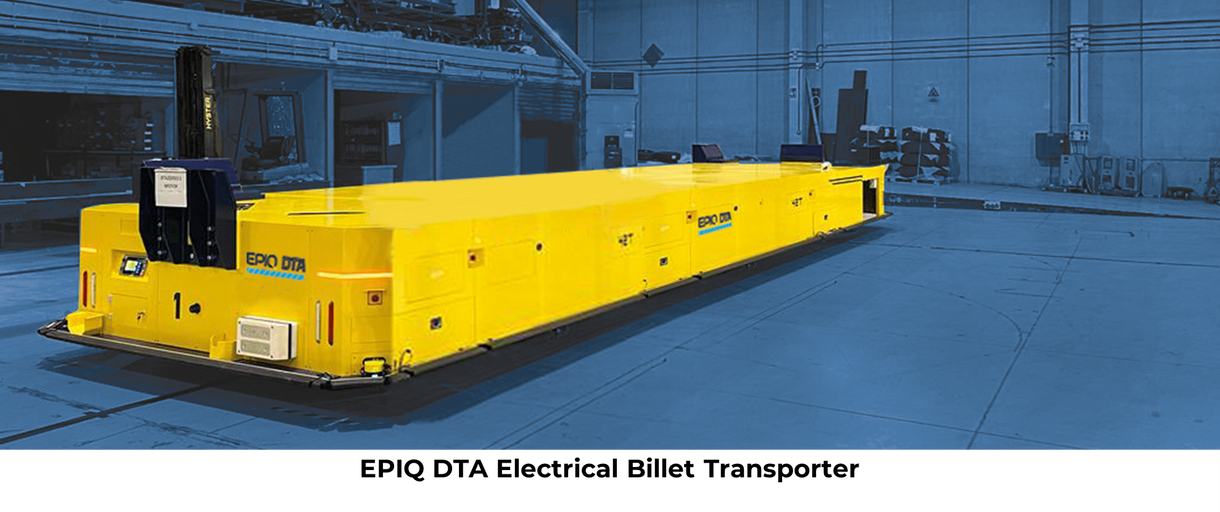
AGVs/AMRs represent more than internal logistics; they change how facilities design material flow, manage work in progress (WIP) buffers, and maintain separation for safety. Portfolio growth increases the need for robust fleet management systems, exception handling, and clean integration with plant-floor reality.
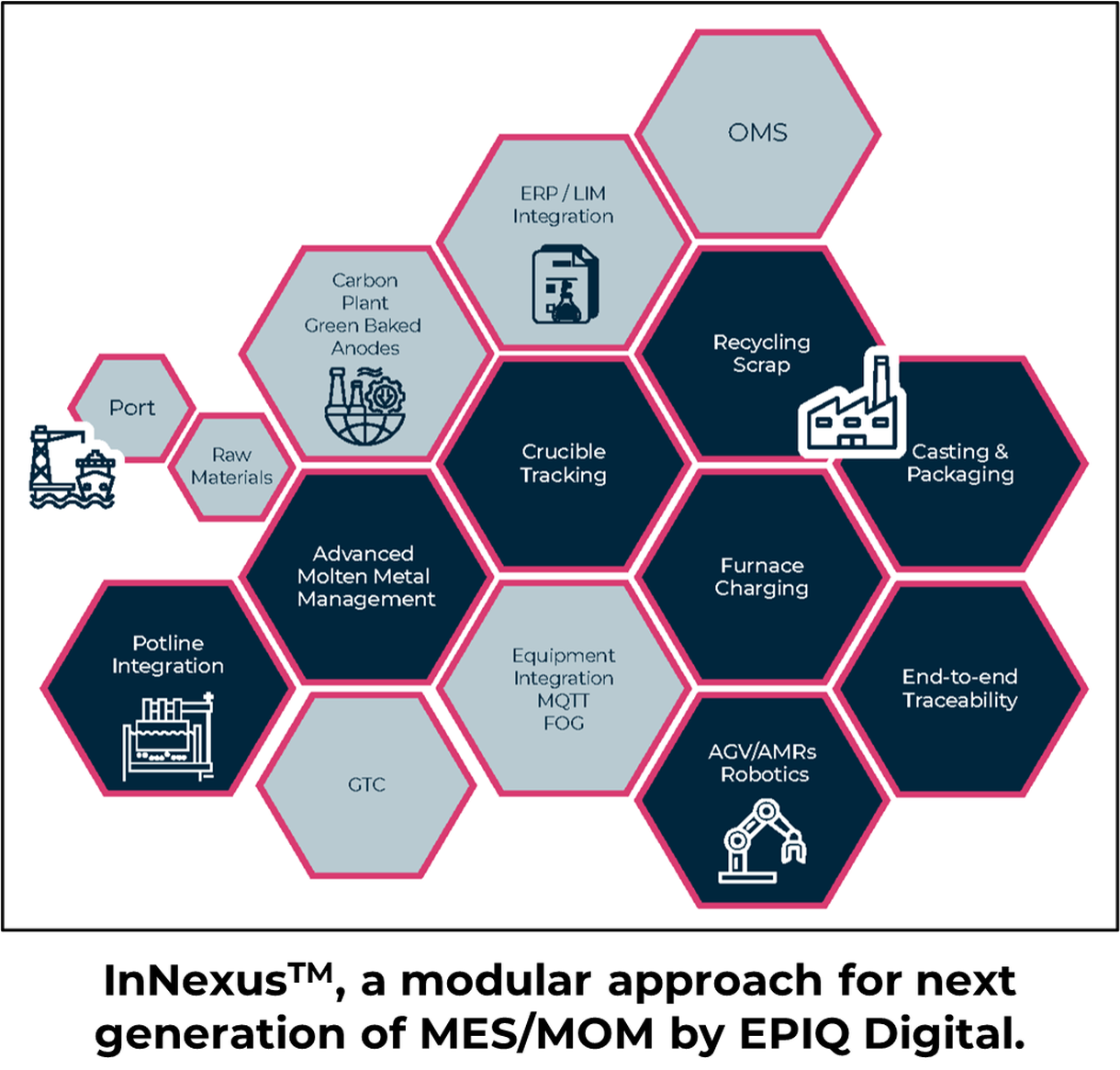
InNexusTM: development of the 4th generation MES/MOM
For the aluminium industry, operational excellence increasingly depends on digital orchestration: production visibility, standardised work, scheduling alignment, traceability, and performance analytics. A new generation of MES/MOM, InNexusTM, is intended to turn data into action supporting stable output and continuous improvement.
Complementing the MES/MOM solution, EPIQ Machinery will develop the required solutions to connect all the required equipment to collect the necessary data from the plant floor.
Other topics such as the decarbonation of the industry and the reduction of energy consumption are also on the radar.
Innovation in the service of technology
When we hear “investment,” we often assume hardware. EPIQ’s approach highlights another dimension: investing in the capability to innovate consistently with multidisciplinary leadership, frameworks and methodologies, and the deployment of best practices across business units.
For 2026, this matters because the gap between a promising prototype and a reliable industrial deployment is wide. Investing in governance, evaluation discipline, and cross-entity coordination can reduce time-to-value and avoid costly missteps especially in environments like aluminium where safety, uptime, and harsh conditions magnify risk.
People, process, technology: consolidating the foundations
Following the last years of hyper-growth, 2026 will focus on people, process, and technology. The goal is to consolidate and build the foundations of the EPIQ group’s activities, bringing synergies to a higher level.
EPIQ expects to remain focused on its main markets: aluminium and pulp and paper, while remaining open to new areas within the heavy-duty industrial material handling. The “EPIQWay” approach is shaping up. We’ve followed our words: we have active representativity on various strategic geographic locations. Being close to our customers, carefully listening to their needs and operational challenges, is at the heart of our priorities.
EPIQ collaborations and partnerships
More broadly, EPIQ’s innovation agenda emphasises multiplying and strengthening customers and business partners’ collaborations to achieve safer, more efficient environments while leveraging its ecosystem of capabilities across the group.
In addition, EPIQ undertakes some projects under the collaborations umbrella either directly with a customer and/or with partners. One example is the co-development of an Automated Robot Furnace Tending (ARFT) solution with Dynamic Concept or the development of the AVGs/AMRs portfolio with DTA by ENERPAC.
It is also important to salute our strong business relationship with two major mobile equipment dealers: Taylor NorthEast (USA) and Manuloc (Europe). All with one objective: being close to our customers in a timely manner.
Industry events: capturing signals
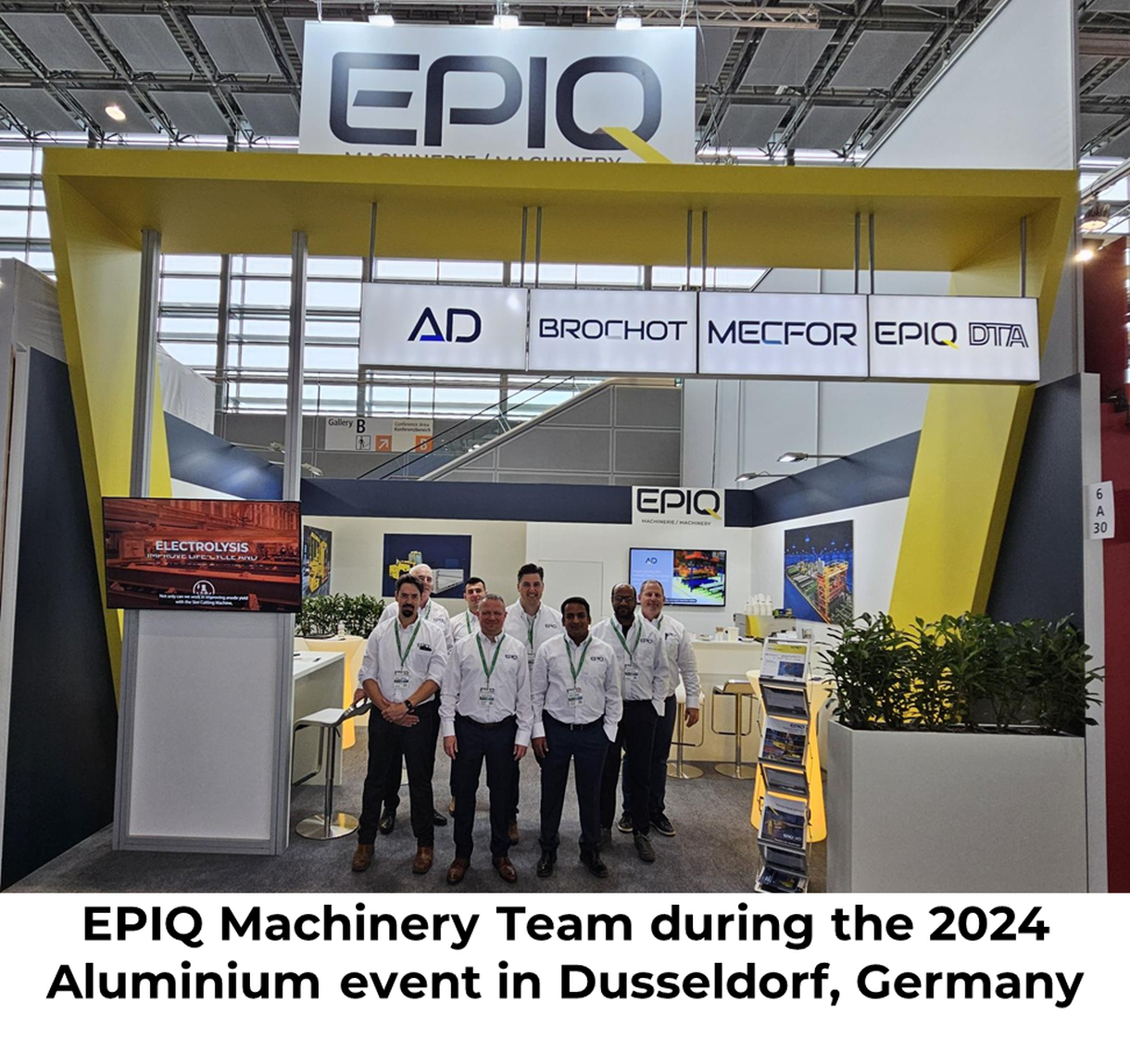
EPIQ intends to participate in main industry events and to engage conversation. These events help to capture “signals” that feed the innovation pipeline: what is changing in operations, which technologies are crossing from early adoption to mainstream, and where integration problems are becoming bottlenecks.
Value is the metric that matters
In aluminium manufacturing, innovation is not about novelty, it is about value: safer operations, higher stability, improved utilisation of constrained labour, and better control of variability. By moving from “smart” to “intelligent” and backing that with a structured concept-to-reality innovation engine, EPIQ is aligning technology development with the practical barrier most plants face: scaling automation and digital operations without creating uncontrolled risk.
The goal of the Innovation group’s efforts is to generate value for customers and for the organisation. Together, manufacturers and technology partners can create lasting benefits for the aluminium industry and for its entire ecosystem.
*Innovation Director at EPIQ Machinery.
For more information, please see www.epiqmachinery.com.

